
CO-MAN Underwear Team
A senior marketing expert from CO-MAN with 18 years of experience in custom underwear.
Most popular men’s underwear fabrics in 2026:B2B Sourcing Guide
This guide outlines the most popular men’s underwear fabrics in 2026 and explains how B2B buyers can make smarter sourcing decisions.
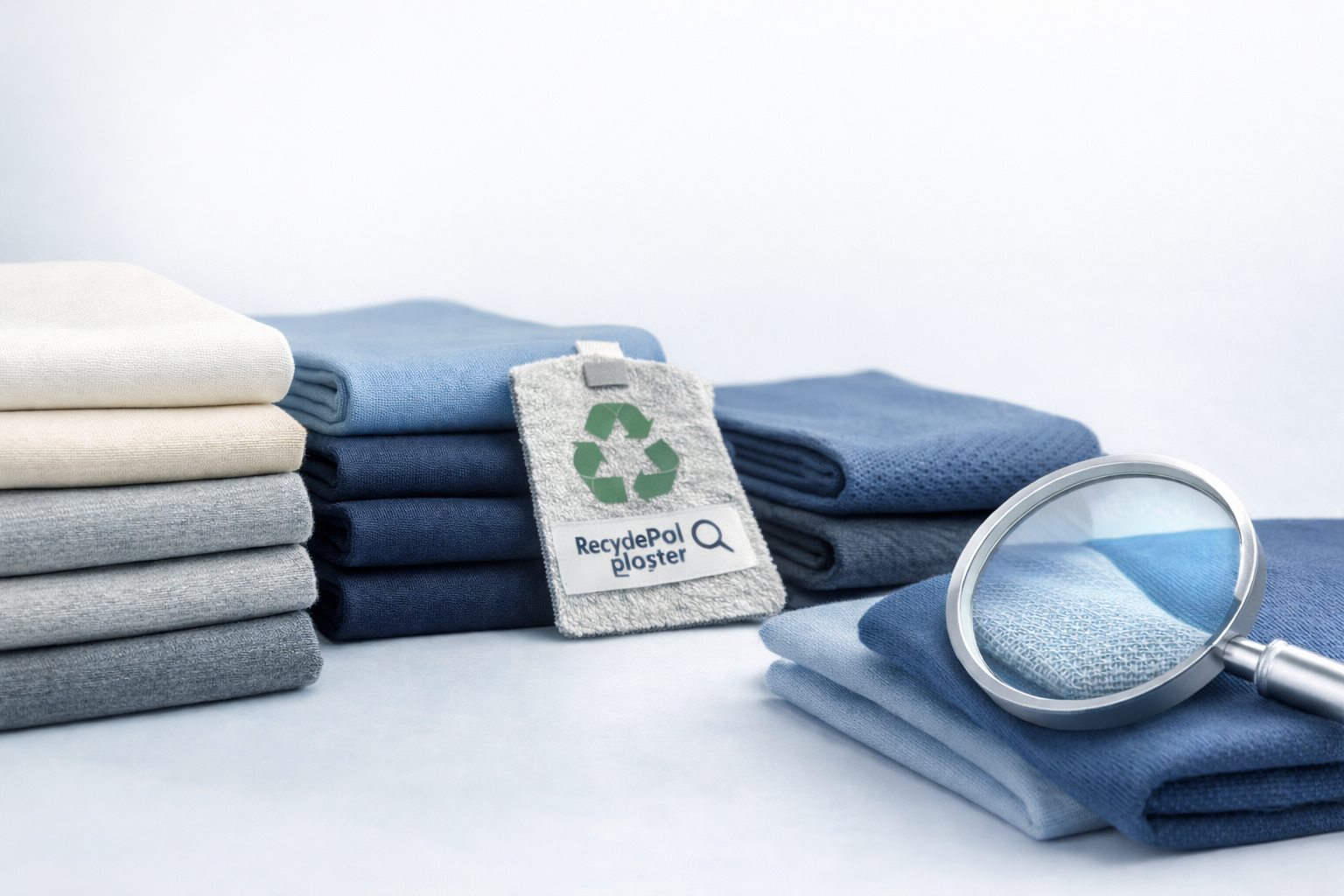
Table of contents
Module 1—Why Fabric Selection Matters More Than Ever in 2026
Fabric Is No Longer Just a Material Choice
For men’s underwear, fabric directly affects:
Wearing comfort and breathability
Fit stability after repeated washing
Product lifespan and customer satisfaction
Return rates and long-term brand reputation
In 2026, B2B buyers increasingly evaluate fabrics based on real performance in bulk production, not just lab descriptions or marketing claims.
Choosing the wrong fabric can lead to:
Higher defect and complaint rates
Increased after-sales costs
Inconsistent bulk quality
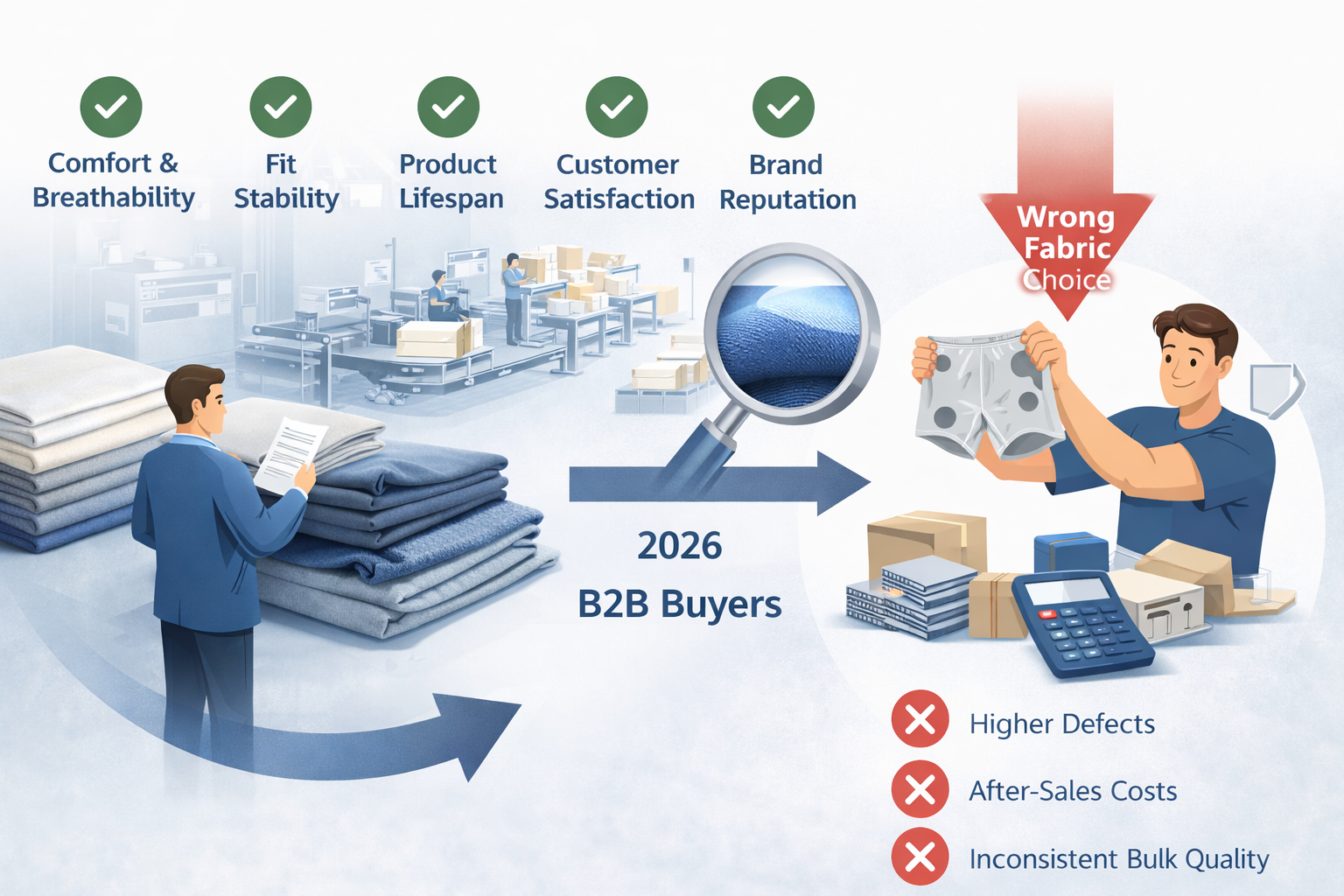
Fabric Selection
Module 2—Cotton-Based Blends Remain a Core Choice
Reliable, Familiar, and Cost-Effective
Cotton and cotton-blend fabrics continue to be one of the most widely used materials in men’s underwear production.
Key advantages for B2B buyers include:
Natural softness and skin friendliness
Stable sourcing and predictable pricing
Proven performance in mass production
Blending cotton with elastane or spandex improves stretch and shape retention, making it suitable for both everyday wear and basic premium lines.
For many brands, cotton blends remain the foundation fabric in a balanced product portfolio.
CO-MAN supports cotton-based underwear production with stable, large-volume material sourcing.
With long-term partnerships across multiple cotton and cotton-blend suppliers, CO-MAN maintains consistent fabric quality, reliable batch continuity, and predictable pricing for bulk orders.
This ensures men’s underwear brands can scale core cotton programs with confidence, maintain uniform quality across repeat orders, and control material-related cost fluctuations.

CO-MAN's Pure Cotton Fabric

CO-MAN's Cotton-Blend Fabrics
Module 3—Modal and Bamboo Fabrics Gain Wider Adoption
Premium Comfort with Growing Market Demand
Modal and bamboo fabrics are gaining popularity in 2026 due to increasing demand for softness, moisture management, and sustainability.
From a sourcing perspective, these fabrics offer:
Superior hand feel compared to traditional cotton
Better moisture absorption and breathability
Strong appeal in mid-to-premium underwear lines
However, B2B buyers should also consider:
Cost fluctuations
Fabric consistency between batches
Bulk availability for repeat orders
When sourced and managed correctly, modal and bamboo fabrics can help brands differentiate products without excessive risk.
CO-MAN supports premium modal and bamboo underwear programs with bulk-ready material control.
For modal-based collections, CO-MAN uses LENZING™ Modal fibers (not standard modal) to deliver superior softness, higher fiber consistency, and reliable long-term performance in mass production.
For bamboo programs, CO-MAN provides stable bamboo fabric sourcing and batch management to help reduce variation in hand feel, stretch recovery, and color consistency across repeat orders.
Backed by a 100% after-sales quality guarantee and a 96% customer repeat-order rate, CO-MAN enables B2B buyers to scale premium, comfort-driven, and sustainability-focused underwear lines with lower sourcing risk.

CO-MAN's LENZING™ Modal Fabric
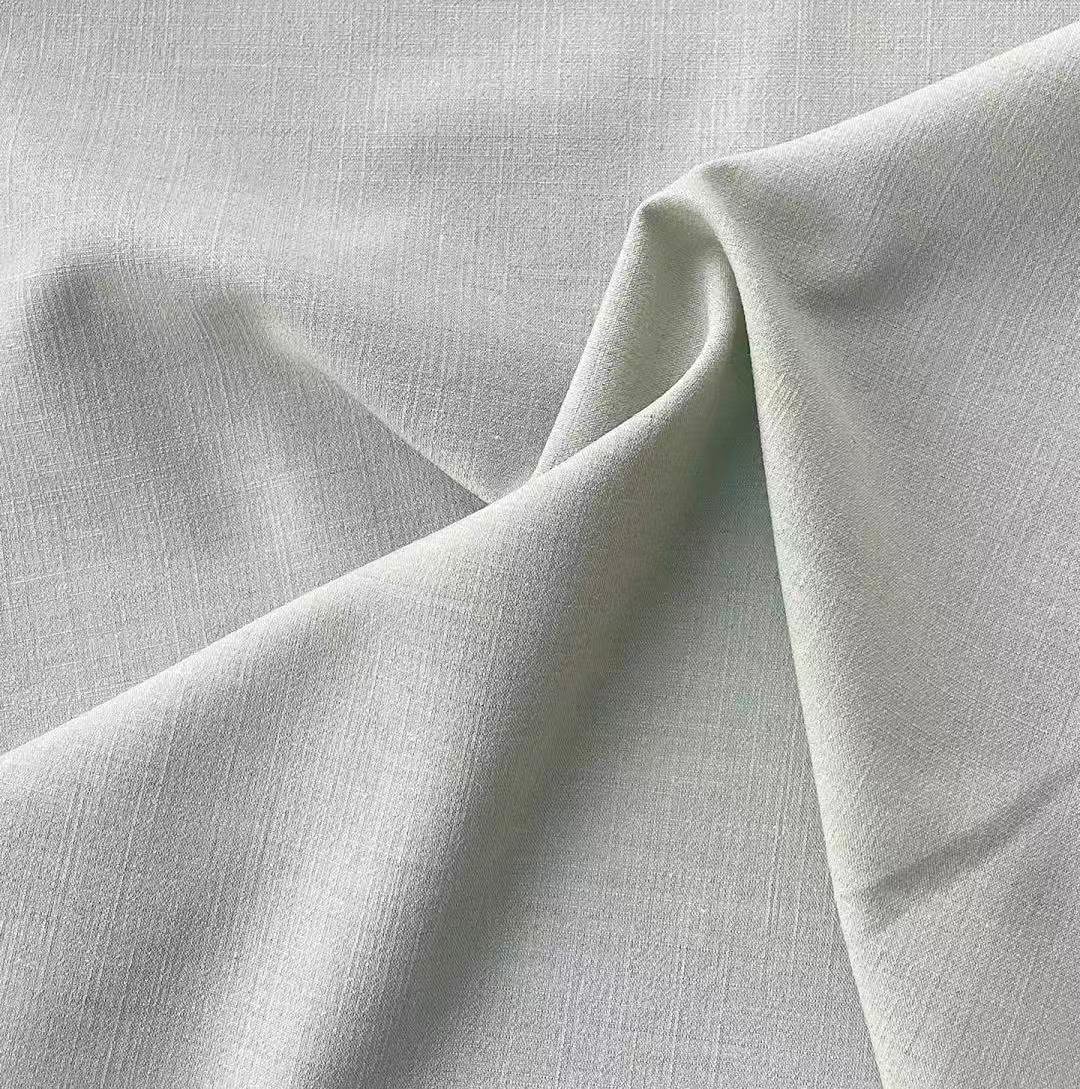
CO-MAN's Bamboo Fabric
Module 4—Synthetic and Performance Fabrics for Functional Underwear
Designed for Active and Long-Wear Use
Synthetic fabrics such as nylon, polyamide, and polyester blends are increasingly used in:
Sports underwear
Active lifestyle collections
Travel and long-wear applications
key performance advantages include:
Quick-dry and moisture-wicking performance
High durability and abrasion resistance
Stable structure after frequent washing
For B2B buyers, these fabrics are particularly suitable for performance-driven SKUs, where functional benefits justify higher perceived value.
Specializing in nylon, polyamide, and polyester performance fabrics, CO-MAN supports functional men’s underwear programs with reliable moisture-wicking, durability, and wash stability.
As a source manufacturer, CO-MAN helps B2B buyers reduce material and production costs while maintaining consistent bulk quality.
With streamlined production workflows and efficient capacity planning, CO-MAN enables fast turnaround and stable lead times for performance-driven SKUs, helping brands respond quickly to activewear and long-wear market demand.

CO-MAN's Nylon Fabric

CO-MAN's Polyester Fabric
Module 5—Sustainability Influences Fabric Decisions
Eco-Friendly Materials Become a Procurement Requirement
In 2026, sustainability is no longer optional for many international markets.
Popular sustainability-focused fabric choices include:
Recycled polyester or nylon blends
Certified cotton or responsibly sourced materials
Fabrics with reduced chemical processing
From a B2B standpoint, sustainability must align with:
Cost control
Bulk production feasibility
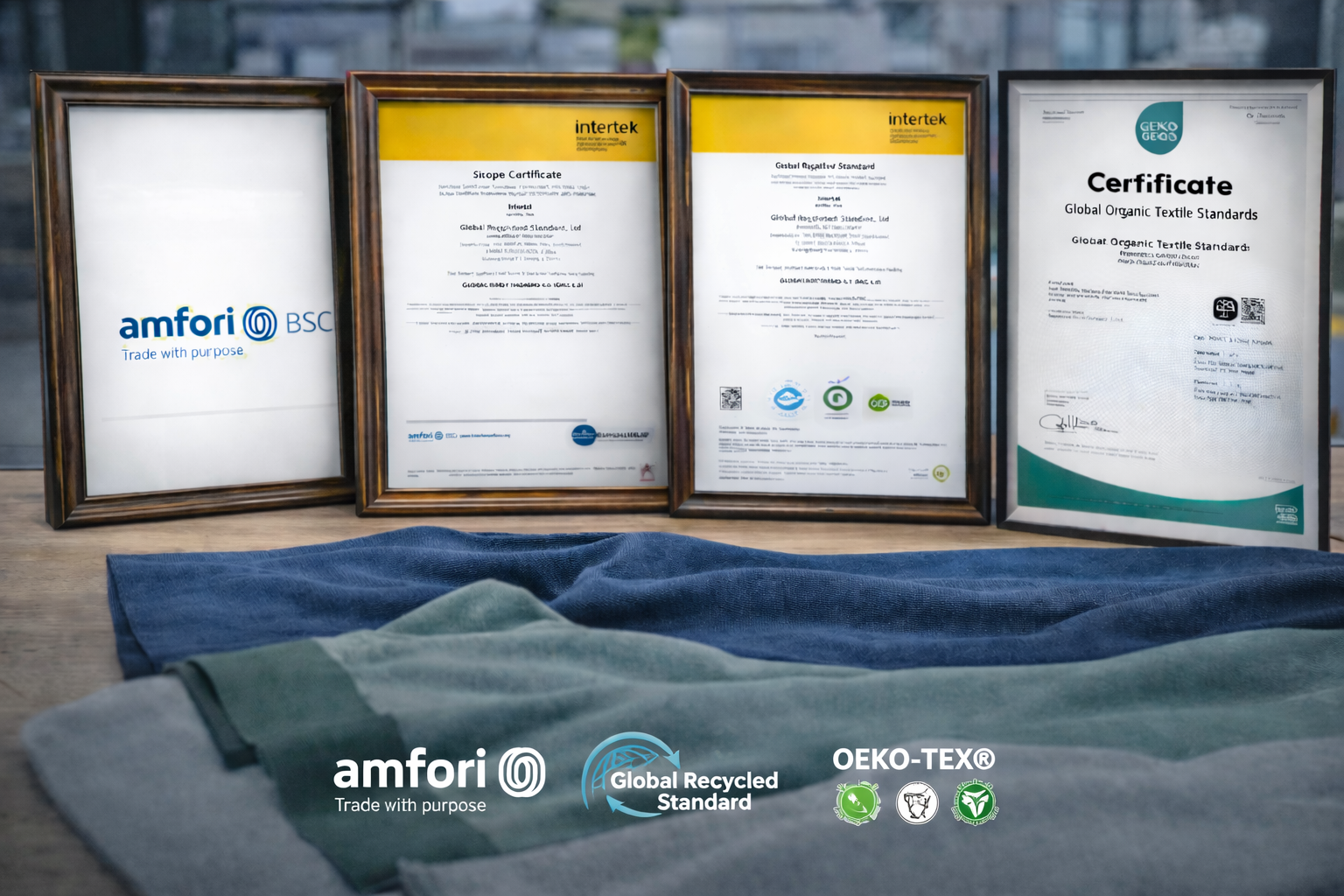
Compliance with market regulations
Successful sourcing strategies integrate sustainable fabrics without sacrificing supply stability or margin control.
With established supply channels for recycled performance materials, CO-MAN helps brands integrate sustainability into men’s underwear collections without compromising bulk production stability or cost control.
Recycled polyester and nylon blends supplied by CO-MAN are selected to meet durability, moisture management, and consistency requirements, making them suitable for large-scale and repeat orders.
This enables B2B buyers to meet sustainability expectations and regulatory requirements while maintaining reliable margins and supply-chain efficiency.
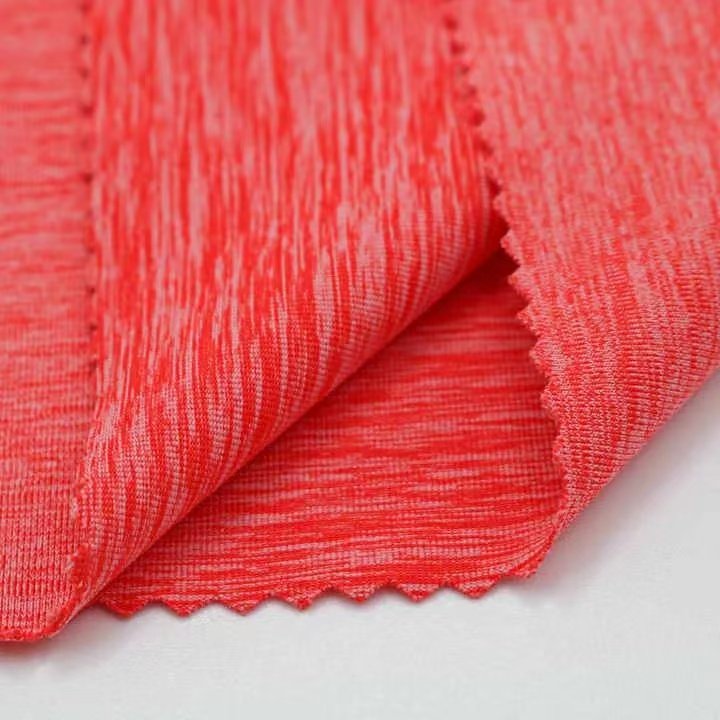
CO-MAN's Recycled Polyester Fabric
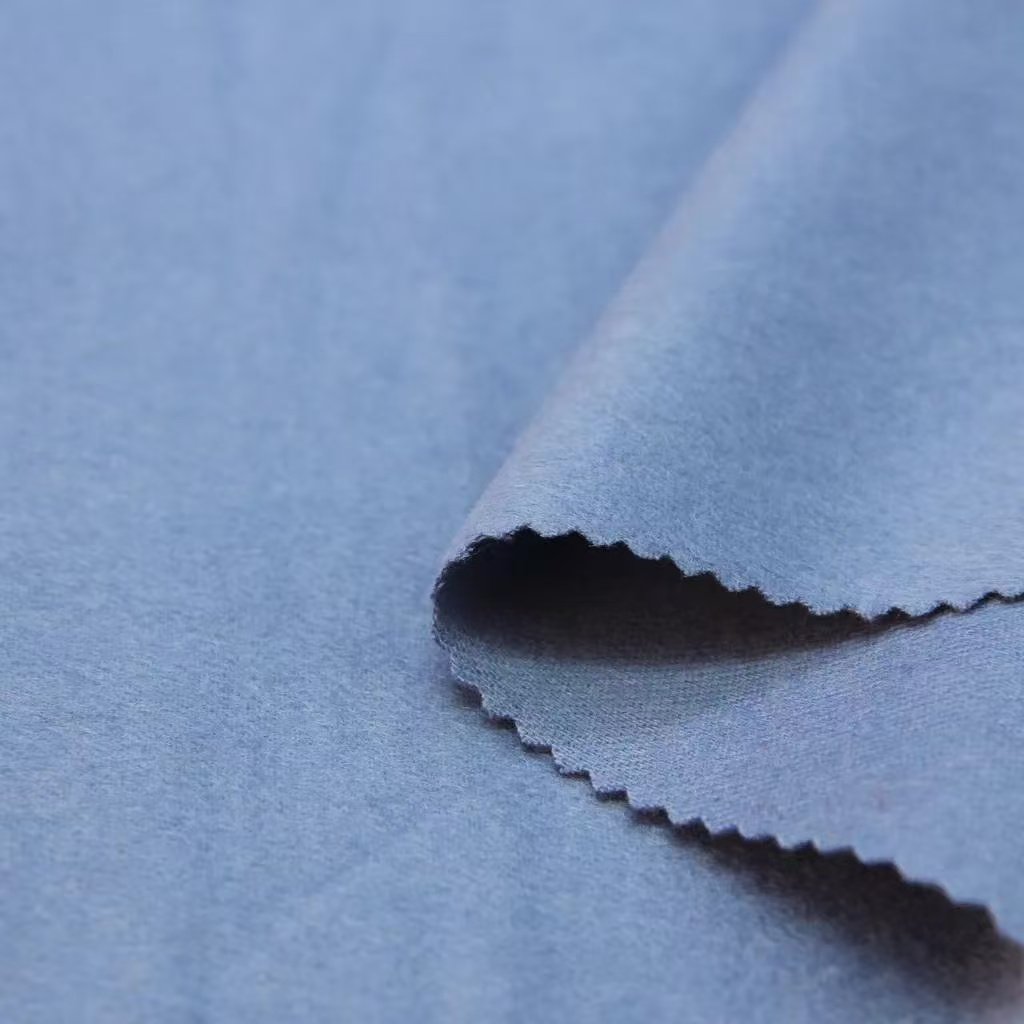
CO-MAN's Nylon Blend Fabric
Conclusion—Fabric Strategy Is a Competitive Advantage in 2026
In 2026, the most successful men’s underwear brands will be those that treat fabric sourcing as a long-term strategy, not a short-term decision.
By understanding the strengths and limitations of:
Cotton blends
Modal and bamboo fabrics
Synthetic performance materials
Sustainable fabric options
B2B buyers can build product lines that balance comfort, durability, differentiation, and cost efficiency.
Choosing the right fabric is not just about trends—it is about ensuring stable quality, predictable costs, and scalable growth.
Fabric Type | Key Benefits | Typical Use Case | Sourcing Considerations |
Cotton Blends | Breathability, comfort | Everyday wear | Stable supply, predictable pricing |
LENZING™ Modal | Ultra-soft, moisture control | Mid-premium lines | Batch consistency, cost variance |
Bamboo | Breathable & eco-friendly | Sustainable SKUs | Bulk availability, cost fluctuation |
Synthetic Blends | Quick-dry, durable | Performance/Sports | Production stability, higher tech input |
2026 Men’s Underwear Fabric Comparison